
An Inconvenient Abtraction
MLP Media • Mon Sep 21 2026
The revolution of the 21st century will not be recited by poetries of the past. The struggle to be full and free in the here and now is upon us. It’s both a private struggle traversed personally and a public struggle traversed collectively. Surprisingly though, it’s the collective struggle where the new tension needs new poetics. Particularly, a new word to help describe the antagonist’s opaque weapon of choice in this new conflict, and to that aim I offer a new word: Abtraction. It’s a word that combines the Latin roots ‘ab’(away from) and ‘tract’ (to pull or drag) and represents a more menacing form of subtraction. It has precedent but only in an isolated instance when it was used by writer Paul Levine in a 2003 blogpost to describe the cultural utility of a philosophical product, which also aligns with how it’ll be referenced here.
Abtraction as a postmodern concept is best understood through analyzing the philosophical tensions between the posthumanism vs transhumanism and humanism vs antihumanism debates; ironically, all of these debates center around misframings of humanity itself. If you analyze the ideologies behind these 4 branches of humanism, you’ll see that humanity and human nature are always misframed.
To see this misframing in real time is to see the current abtraction eroding our humanity in real time. We are neither anthropocentric nor misanthropic nor disconnected. We are merely a collective in harmony with our common nature. A nature we inherently gatekeep within the collective but have been counter-narrativized by appropriators into fracturing at an accelerated pace.
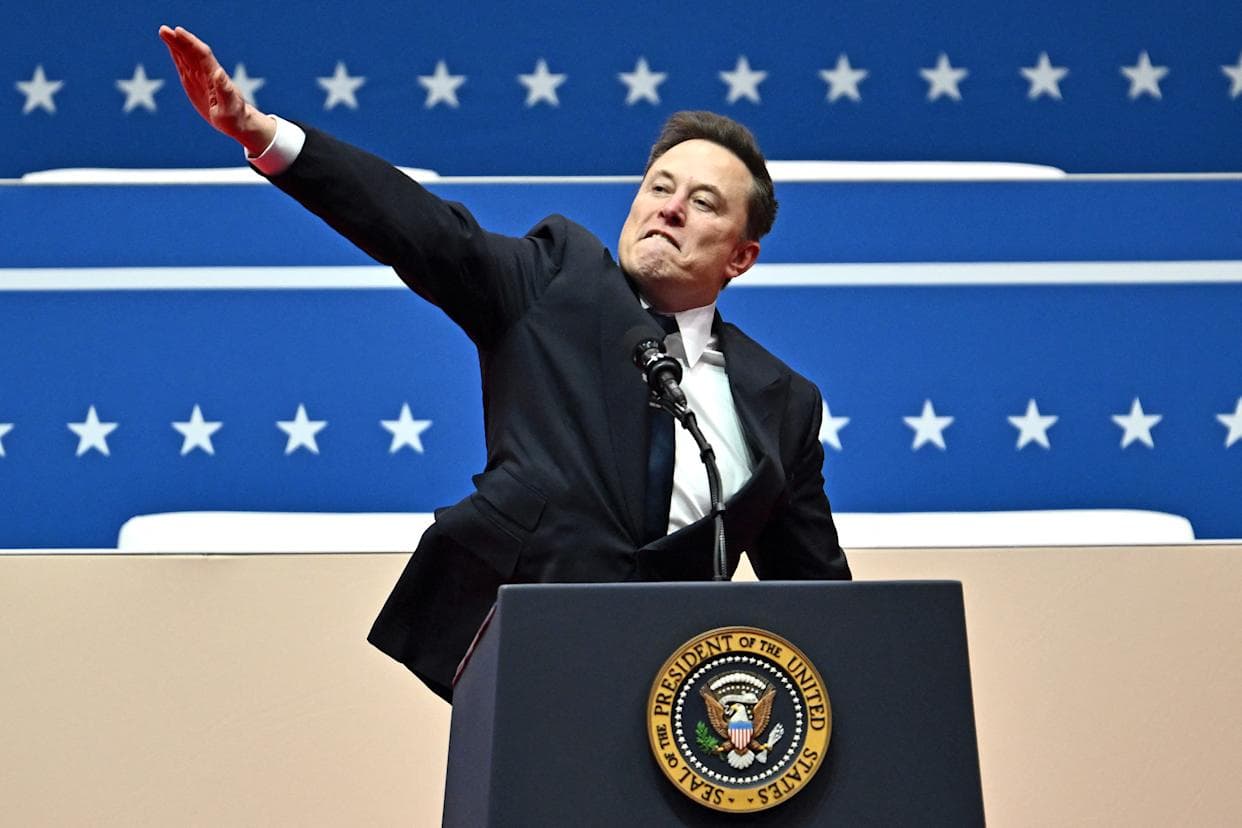
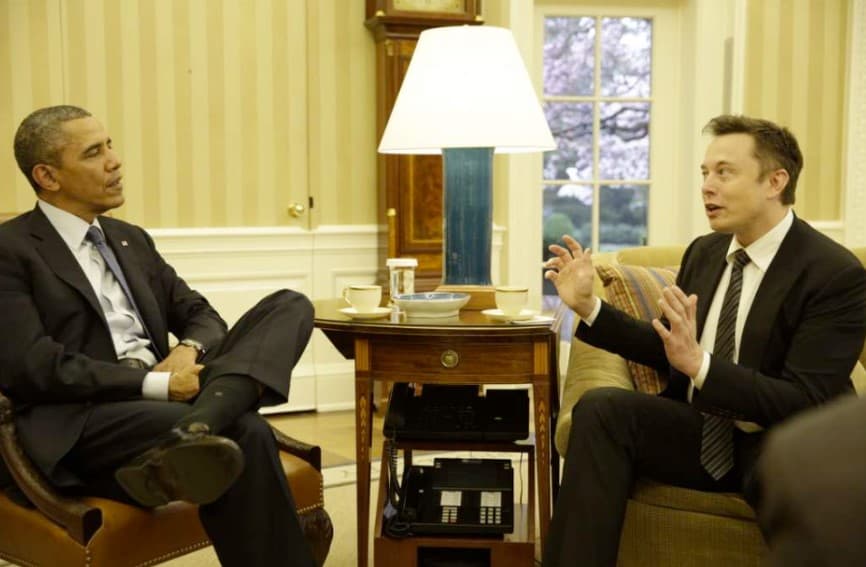
No one person better encapsulates the summation of this abtractionist acceleration in our time moreso than Elon Musk. A South African immigrant who code-switched his way to prominence so succinctly and quickly that it truly boggles the mind to understand how it was allowed in the first place. Because make no mistake about it, it was allowed. He was an opportunist who was in the right places at the right time and -most importantly- not only looked the right way but -strangely enough- acted the right way too? Musk is diagnosed with Asperger syndrome, an extinct branch of Autism that can accentuate dark triad tendencies in its subjects. For anyone with dark triad traits in general they engage life in a more transactional way. Life becomes more about verisimilitude than sincerity where the best actor wins, and if our “Art of Estrangement” post was true and all of this postmodern era of American life has been flattened to a transactional game, then no modern actor, aware of his meta-performance, has played that game better than Elon Musk up to this point in the 21st century. He is the perfect archetype for an abtractionist – someone who (or something that) estranges a form from itself. In this case, the form would be humanity. He has worked diligently to persuade humanity to passively relinquish its collective agency in favor of transhumanism.
Regardless though, this dark triad themed abtraction has changed the rules of the game we’re living in, we live in a system operated by monsters, and thus it compels us to become monsters ourselves if we are to reap its benefits (which are plentiful). Lacking empathy is not only an incentivized feature of the system but a requirement at this point for entry to upper levels of the system. As was stated in ‘The Art of Estrangement,’ by conceding to the system -and its gamification of life- and participating in its absurdity we flatten our possibilities and/or potential, consequently alienating our souls from our bodies in the process.
In response to this dystopian dilemma, we choose to leave remnants of ourselves in life that out-survive us in some capacity, in the hope that the flattening is a temporary era and not a permanent one. The remnants we leave behind reflect how we chose to leave. More or less, they are our trade-offs in response to the dystopian dilemma.
And this choice, of accepting the flattening in favor of leaving “legacies,” gets to the core of our human nature. We believe humanity to be more than just flesh. We believe it to be a nature that extends beyond us yet through us simultaneously, which gets to the crux of our modern abtraction. The prevailing abtraction seems to be favoring transhumanism over mysticism as the preferred route to align this natural interconnection. This is ultimately an erroneous pursuit though because it seeks to align with the premise that our humanity is tied more to the physical than the metaphysical and that everything about us can be recorded and technologically exchanged in a rational way rather than a non-rational way. In regard to this, it seems Martin Heidegger and his antihumanism narrative would’ve been the most accurate counter given the available choices, but even then, it was still a flawed argument ultimately.
In closing, ‘The Art of Estrangement’ showed how the flattening of life has turned all who concede to it into demystified side characters. ‘An Inconvenient Post-Truth’ showed the hyper-real simulacrum in which this absurd theater is currently hosted. As Martin Heidegger would’ve argued, embracing existentialism (via rejecting the flattened meanings thrust upon you) is one of the only routes afforded to us to disengage from the flattening before it swallows you, but in doing so it thrusts you into a martyrdom that compels you to wander the ‘desert of the real’ wherever it leads you throughout your mortality, only leaving you a chance at being discovered in some oblong form by someone from the future, but in doing so, providing an atlas on how to stay free and live full.